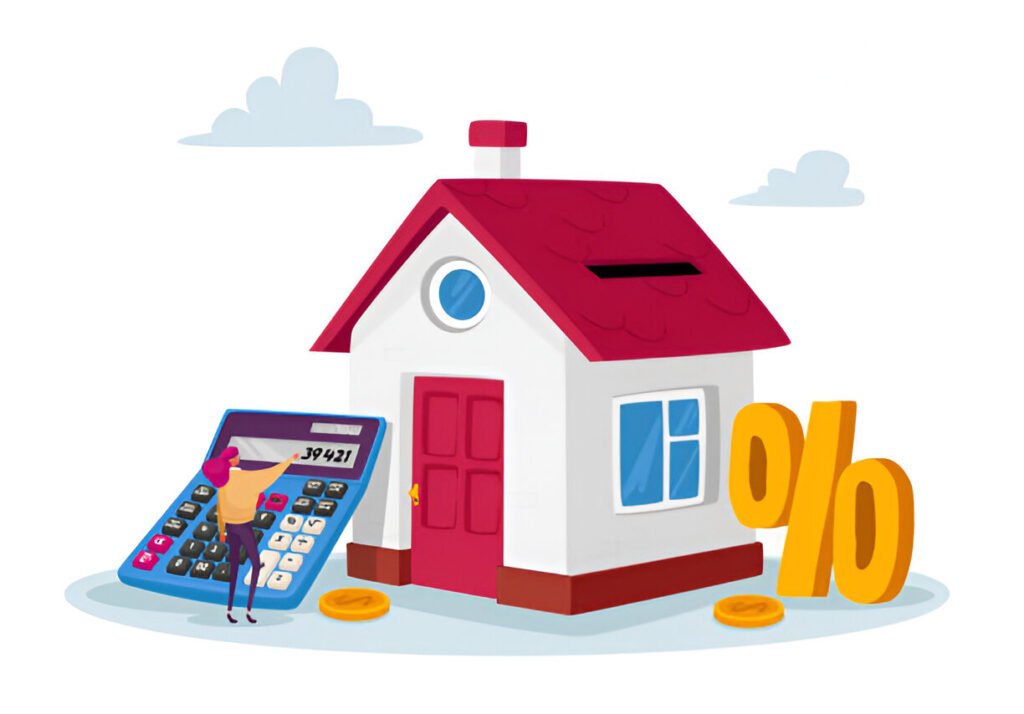
When it comes to buying a home, understanding mortgage interest rates is crucial as they significantly impact your monthly payments and the total cost of homeownership. This comprehensive guide will help you navigate the complex world of mortgage rates and make informed decisions about your home financing.
What Determines Mortgage Interest Rates?
Mortgage rates are influenced by various economic and personal factors. The Federal Reserve’s monetary policy plays a significant role in setting the general direction of interest rates, but other factors like inflation, economic growth, and the housing market also impact rates. On a personal level, your credit score, down payment amount, and loan term affect the specific rate you’ll be offered.
Types of Mortgage Rates
Fixed-Rate Mortgages
Fixed-rate mortgages maintain the same interest rate throughout the loan term, providing predictable monthly payments. These are popular among homeowners who plan to stay in their homes long-term and want stability in their monthly expenses. Common terms include 15, 20, and 30 years.
Adjustable-Rate Mortgages (ARMs)
ARMs typically start with a lower fixed rate for an initial period, after which the rate adjusts periodically based on market conditions. While these loans can offer lower initial payments, they carry the risk of rate increases over time. Common ARM structures include 5/1, 7/1, and 10/1, where the first number indicates the fixed-rate period in years.
How to Get the Best Mortgage Rate
Improve Your Credit Score
Your credit score is one of the most important factors lenders consider. A higher score typically results in better rates, so focus on improving your credit by paying bills on time, reducing debt, and correcting any errors on your credit report.
Save for a Larger Down Payment
A larger down payment often leads to better interest rates as it reduces the lender’s risk. While many loans allow down payments as low as 3.5%, putting down 20% or more can help you secure a more favorable rate and avoid private mortgage insurance (PMI).
Shop Around and Compare Offers
Different lenders offer different rates and terms. Take time to compare offers from multiple lenders, including banks, credit unions, and online lenders. Consider both the interest rate and the annual percentage rate (APR), which includes additional costs like points and fees.
Understanding Rate Locks
A rate lock guarantees your interest rate for a specific period, typically 30-60 days, while your loan application is processed. This protection is valuable in a rising rate environment but may require a fee or deposit. Discuss timing and terms with your lender to ensure your rate lock aligns with your closing timeline.
The Impact of Points
Mortgage points are upfront fees paid to lower your interest rate. One point equals 1% of your loan amount. While paying points increases your closing costs, it can lead to significant savings over the life of the loan if you plan to stay in the home long enough to recoup the cost through lower monthly payments.
Market Timing and Rate Trends
While it’s impossible to perfectly time the market, understanding rate trends can help you make informed decisions. Historical patterns, economic indicators, and expert forecasts can provide context for current rates. However, waiting for lower rates can be risky, as market conditions can change quickly.
The Refinancing Option
Even after securing a mortgage, you can potentially benefit from lower rates through refinancing. This involves replacing your existing mortgage with a new one at a lower rate. Consider refinancing when rates drop significantly below your current rate and you plan to stay in your home long enough to recover the refinancing costs.
Frequently Asked Questions
How much can a 1% difference in interest rate affect my monthly payment?
On a $300,000 30-year fixed-rate mortgage, a 1% difference in interest rate can change your monthly payment by approximately $150-200. Over the life of the loan, this 1% difference could result in paying (or saving) tens of thousands of dollars in interest. For example, at 4% versus 5%, you could save around $60,000 over 30 years.
Should I choose a fixed or adjustable-rate mortgage?
The choice depends on your specific circumstances. A fixed-rate mortgage is generally better if you:
- Plan to stay in the home for many years
- Want predictable payments
- Current rates are relatively low
An adjustable-rate mortgage might be preferable if you:
- Plan to move or refinance before the rate adjusts
- Can handle potential payment increases
- Want to take advantage of lower initial rates
Consider your long-term plans, risk tolerance, and financial situation when making this decision.
Remember that mortgage rates are just one part of the homebuying equation. Consider the entire picture, including your financial goals, market conditions, and personal circumstances, when making mortgage decisions. Working with experienced professionals, including mortgage brokers and financial advisors, can help you navigate the process and find the best solution for your situation.